


Pakistan Blocks Nearly 195,000 CNICs in Last Three Years
 Web Desk
|
3 months ago
Web Desk
|
3 months ago
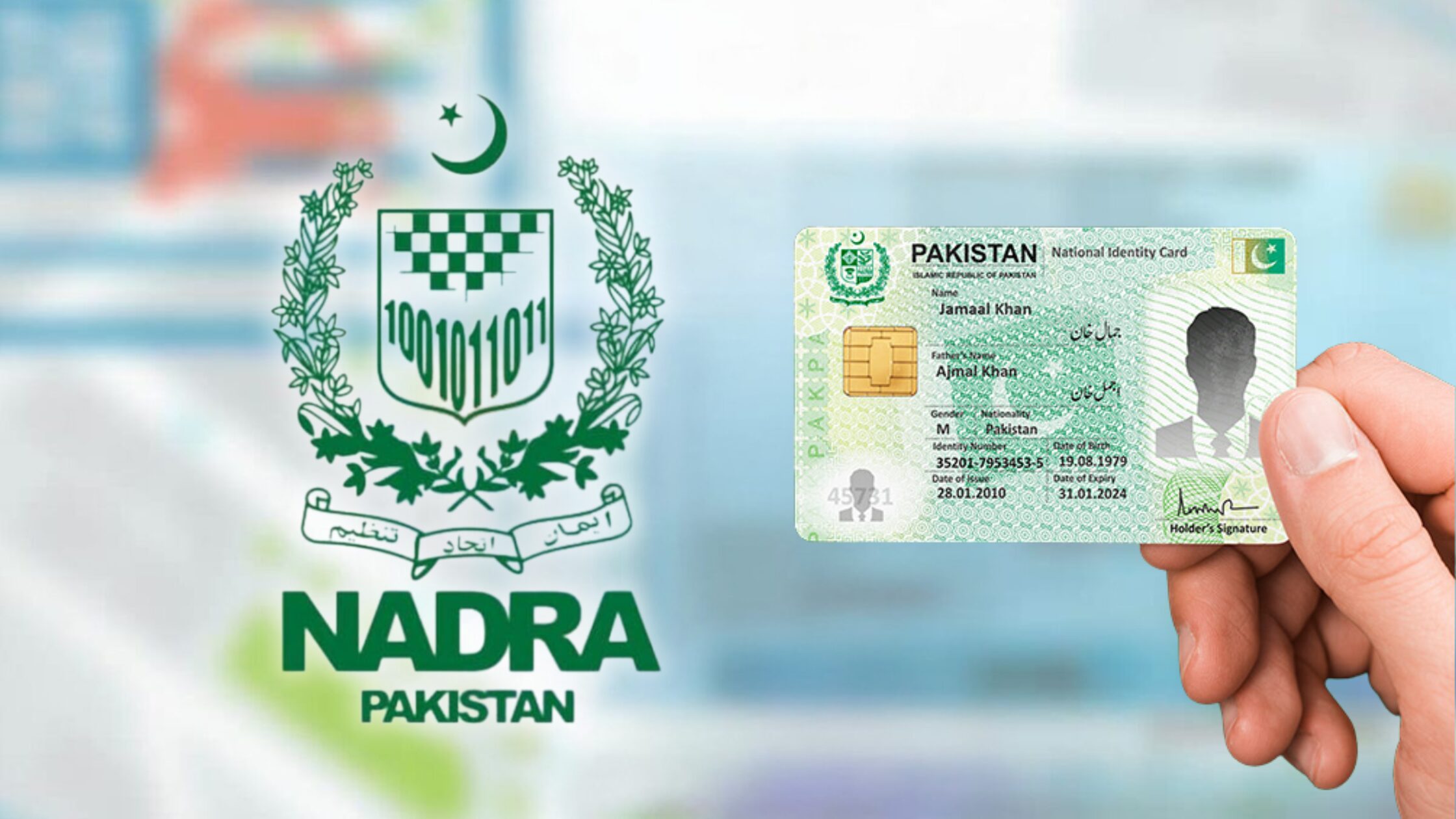
ISLAMABAD – The Ministry of Interior informed the Senate that 195,000 computerized national identity cards (CNICs) have been blocked in Pakistan over the past three years. Officials said Khyber Pakhtunkhwa reported the highest number with 72,703 CNICs blocked, followed by Sindh with 49,666 cases. Punjab recorded 29,852 blocked cards, while Balochistan accounted for 34,990. Islamabad had 5,731 blocked CNICs. Meanwhile, Azad Jammu and Kashmir reported 1,410, and Gilgit-Baltistan had 758 blocked identity cards.
The Interior Ministry revealed that 130,885 CNICs were blocked under Section 18 of the NADRA regulations. Additionally, 64,225 identity cards were blocked based on court orders. Over the same period, more than 46,000 CNICs were restored to citizens. Officials emphasized that inquiries continue on remaining cases. They confirmed that 148,000 CNICs remain blocked as investigations are ongoing.
NADRA explained that identity cards were blocked primarily due to incorrect information provided by applicants. Many cases also involve pending legal actions. Authorities highlighted that the measure ensures the integrity of Pakistan’s identification system. The step aims to prevent fraudulent use of CNICs in legal and financial transactions. NADRA officials said this process strengthens national security and public record accuracy.
Read more : NADRA Urges Citizens to Cancel Deceased CNICs
Khyber Pakhtunkhwa, Sindh, Punjab, and Balochistan accounted for the bulk of blocked CNICs. Officials noted that major urban centers also reported high numbers. Authorities are coordinating with local offices to resolve discrepancies. Citizens with blocked CNICs can apply for restoration following legal verification. This approach ensures transparency and accountability across regions.
The Ministry and NADRA stressed that ongoing reforms will improve identification systems nationwide. New measures aim to reduce errors and fraudulent CNIC issuance. Citizens are urged to provide accurate information during registration or updates. Authorities plan to complete pending investigations efficiently. These efforts are part of Pakistan’s broader strategy to maintain a secure, reliable national identity database.


Gold prices drop sharply in Pakistan amid global market decline

Punjab issues alert over rising WhatsApp hacking and impersonation fraud cases


Nine killed in armed attack at copper and gold site in Balochistan’s Chagai

PSX drops over 2,750 points as profit-taking pressure hits market

Power division says hydropower production increases during peak hours amid demand pressure

Pakistan army officer completes mission during Maarka-e-Haq amid battlefield drone activity



3 hours ago
4 hours ago
5 hours ago

5 hours ago

5 hours ago

5 hours ago
- US intelligence officials have stated that Iran’s military capabilities remain more intact than publicly suggested by US political leadership, according…
 Iranian President Masoud Pezeshkian said that the Islamic Republic continues to support dialogue and diplomatic engagement, but accused the United…
- The Israeli military said it detained and returned dozens of Israeli civilians who briefly crossed into Syrian territory on Wednesday,…
- Pakistan hosted high-level talks between Iran and the United States in Islamabad following a fragile two-week ceasefire that came after…

- Federal health authorities have ordered strict nationwide enforcement of a ban on conventional disposable syringes and initiated a policy review…
 Pakistan’s second national anti-polio campaign of 2026 is continuing across the country, with efforts now in its sixth day as…
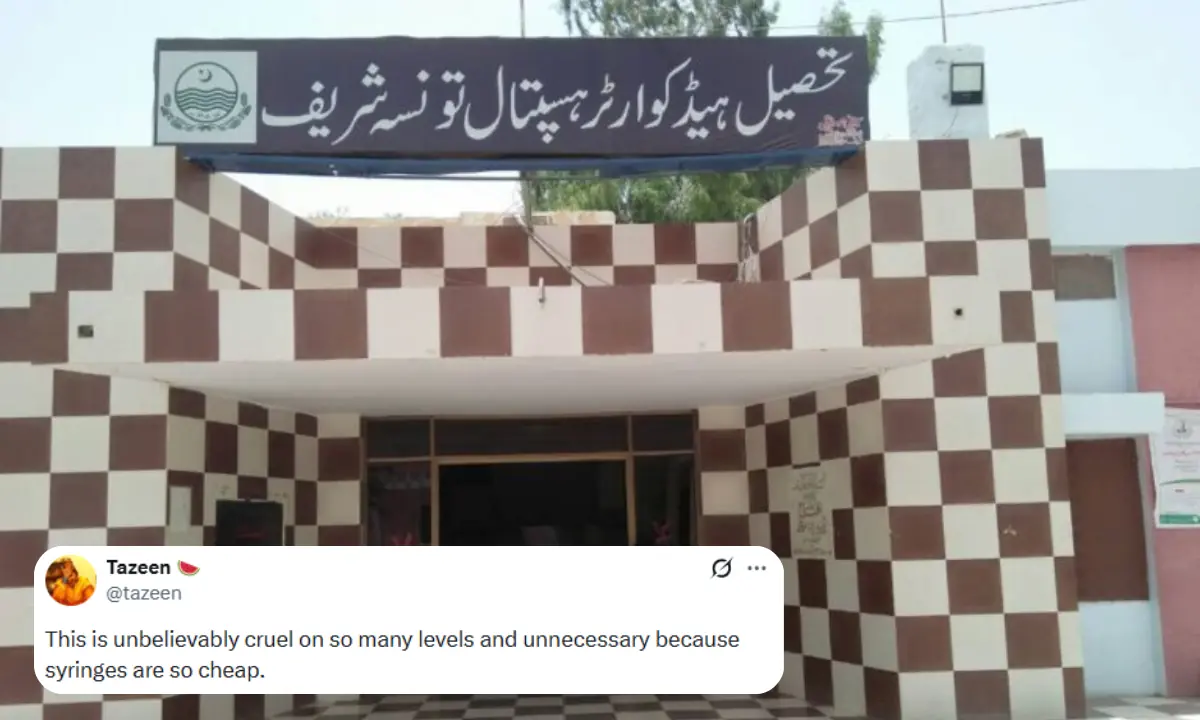
 A shocking report by BBC has triggered nationwide outrage in Pakistan after alleging severe medical malpractice at a Tehsil Headquarter…
 Pakistan’s second National Anti-Polio Campaign of 2026 is continuing across the country with full momentum, as health workers aim to…



- A robot powered by artificial intelligence has achieved a remarkable…3 hours ago
- Gold prices in Pakistan recorded a significant decline on Thursday,…4 hours ago
- The Punjab Home Department has issued an emergency advisory across…5 hours ago
- Earth Day was celebrated in Karachi’s historic Saddar area through…5 hours ago